
AVPH Webinar | Highly Pathogenic Avian Influenza: Practical considerations for veterinary practices
August 13 @ 7:30 pm - 9:00 pm AEST
Free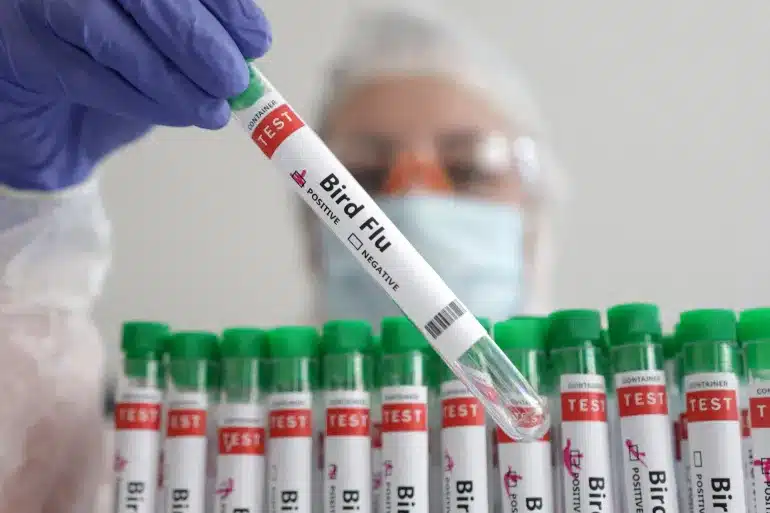
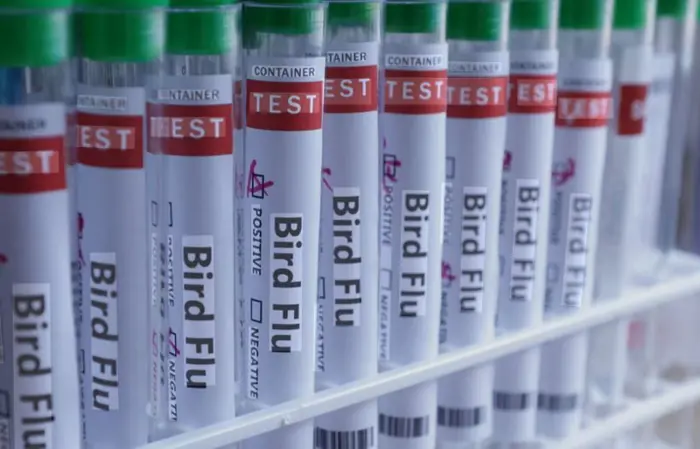
Highly pathogenic avian influenza (HPAI) presents evolving challenges for veterinarians, veterinary teams and animal health professionals. This webinar brings together four experts to address important questions and current knowledge gaps across avian practice, companion animals, wildlife health, and infection prevention and control.
Each speaker will deliver a focused 15-minute presentation covering:
Considerations when seeing birds in veterinary practice
Considerations when seeing cats in veterinary practice
Wildlife health considerations and the national perspective
Infection prevention and control for veterinary workplaces
The presentations will be followed by a Q&A.
Who should attend
Veterinarians, Nurses, Allied Health Professionals, Students and New Graduates
Learning outcomes
- Gain clear, practical insights into how HPAI presents in birds, cats and wildlife, and what frontline teams need to watch for.
- Learn evidence‑based steps for triage, examination, isolation and escalation across avian and companion animal practice.
- Build confidence implementing effective infection prevention and control measures tailored to veterinary workplaces.
Further details
Please ensure you are logged into the AVA Website to ensure correct pricing.
Our speakers
-
- Photograph
-

- Name
- Dr Angela Willemsen
- Biography
Angela graduated from UQ in 2005 and began her career as a small animal veterinarian in Queensland. Drawing on her first career as a Registered Nurse, she identified disparities in infection prevention and control (IPC) practices and knowledge within veterinary settings. This led her to undertake a PhD investigating IPC in small animal practice.
Based on this research, in collaboration with ACIPC she developed and facilitates the Veterinary IPC (VFIPC) Course. In addition, she provides IPC consulting services for veterinary practices and practitioners, often in response to increases in healthcare-associated infections. She continues to provide home-based palliative and end-of-life care for companion animals and contributes to teaching and research work within the UQ School of Public Health.
Angela is committed to promoting a One health approach that recognises the interconnectedness of human, animal, and environmental health in understanding and mitigating infectious disease risks. Her work focuses on enhancing IPC across veterinary settings, particularly in relation to infectious diseases, while helping bridge gaps between human and veterinary healthcare.
-
- Photograph
-
- Name
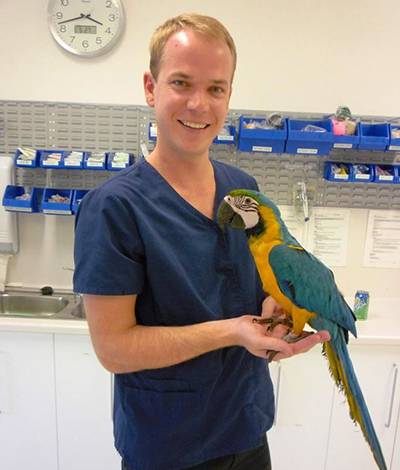
- Dr Hamish Baron
- Biography
Hamish is a specialist avian veterinarian and President of the Avian Medicine and Surgery Chapter of the Australian and New Zealand College of Veterinary Scientists. In this role, he contributed to the development of national HPAI guidelines for general veterinary practitioners, providing an important private-practice perspective.
As a Managing Director of The Unusual Pet Vets, Hamish is a strong advocate for veterinary practitioners and for greater local and national government support of the profession’s role in the HPAI response. His combination of specialist expertise, clinical leadership and private-practice experience places him in a unique position to share practical advice and key considerations for veterinarians managing avian patients in clinical practice.
-
- Photograph
-
- Name
- Dr Jacqueline Norris
- Biography
Jacqueline Norris BVSc, MVSt, PhD, FASM, MASID, Grad Cert Higher Ed.
Jacqui is a Professor of Veterinary Microbiology and Infectious Diseases at the Sydney School of Veterinary Science, at the University of Sydney. She is passionate about practical research projects and education programs for veterinary professionals, animal breeders and animal owners. Her main research areas include: 1) Development of diagnostics and treatments for companion animal viral diseases including feline coronaviruses (FIP); 2) prevention of Q fever and role of companion animals and wildlife in the epidemiology; 3) Multidrug resistant (MDR) Staphylococcus species in all animals including humans; 4) Knowledge, attitudes and barriers to veterinary antimicrobial stewardship; and 5) aetiology and diagnosis of chronic kidney disease in domestic and zoo Felids.
-
- Photograph
-
- Name
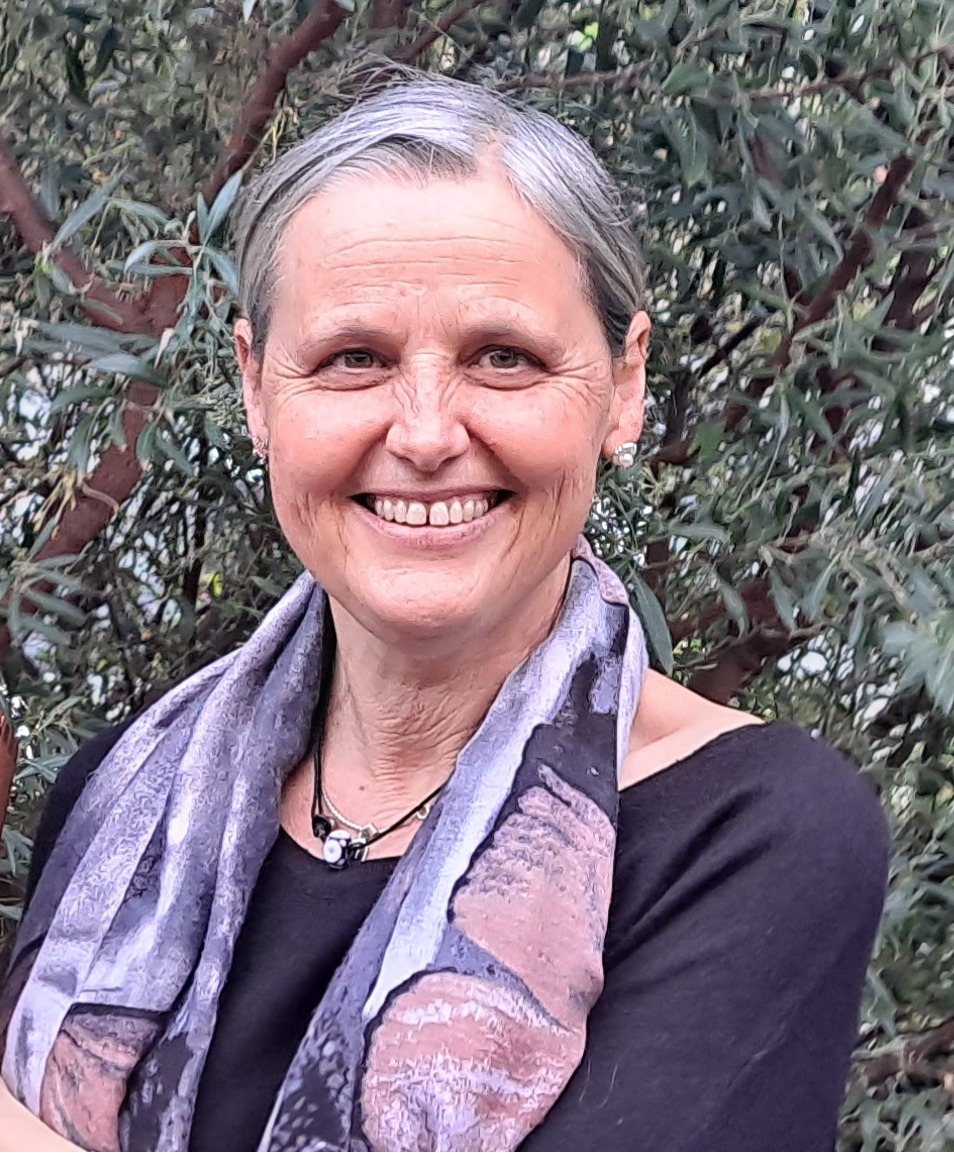
- Dr Simone Vitali
- Biography
Simone is a veterinarian with Wildlife Health Australia (WHA), a national body that advances wildlife health for a healthier future for all. Simone heads the Emergencies Program team, working with others to safeguard the health, welfare and biodiversity of Australian wildlife in all emergencies using a collaborative One Health approach. A current focus for WHA is supporting the national and jurisdictional response and preparedness for highly pathogenic avian influenza in Australia.
Simone has worked on disease risk analysis and disaster preparedness projects in both government and university roles. She was the Senior Veterinarian at Perth Zoo for over 15 years and has been involved in wildlife conservation projects both within Australia and overseas.
- Job title
- Program Manager - Emergencies