In this edition of SIG in the Spotlight, Australian Veterinary Behavioural Medicine (AVBM) President, Dr Isabelle Resch shares how the AVBM is working to bring behaviour medicine to the forefront of veterinary practice in Australia. Once known as the Veterinary Behaviour Interest Group, the SIG underwent a name change several years ago to reflect a growing recognition: behaviour medicine is not just a niche interest, but a vital discipline that underpins every veterinary consultation.
Tell us a little bit about the SIG, and it’s the overall purpose for veterinarians.

The AVBM SIG is all about championing behaviour medicine as a core discipline within veterinary care. A few years ago, we changed our name to reflect how essential behavioural health really is, not just an add-on, but a vital part of every veterinarian’s work.
Behaviour underpins almost every veterinary consultation, whether it’s a pet with a behavioural issue or a healthy animal whose owner wants to keep them that way. Our SIG brings together passionate professionals to learn, collaborate, and improve animal welfare. By understanding what’s normal and what’s not, we’re better equipped to help our patients and work alongside other veterinary specialties.

When did the shift towards recognising behaviour medicine as a core discipline begin?
We’ve been advocating for this recognition since the SIG was established. The name change happened about three or four years ago because we wanted to move behaviour medicine from the sidelines to the forefront. We wanted a name that reflected its importance as a discipline, not just a special interest. That was a significant step in putting our stamp on the field.
To be honest, the pioneers in this area have always worked hard to raise awareness, it’s been a challenging journey. I was president when the name change took place, so I’d say it was in my first year, about four years ago. Since then, we’ve continued to push for respect and recognition for behaviour medicine as an essential part of veterinary practice.
What kind of educational resources and support is available for members?
We provide 4 webinars each year, often featuring internationally renowned speakers. We’re also active at national AVA conferences—this year we had a keynote speaker, and we’ve got exciting plans for 2026 and 2027.
Members get digital access to the Veterinary Behavioural Medicine Journal from the US, which is a fantastic resource. Our goal is to offer education that covers all species and all aspects of behaviour and welfare, not just dogs and cats.
While we don’t have a formal support system, our community is very welcoming and approachable. We host an annual dinner at the conference, which is a great way to meet colleagues and build relationships. Many members find mentors they can reach out to for advice or guidance.
When did you join the SIG, and how long have you been interested in behaviour medicine?
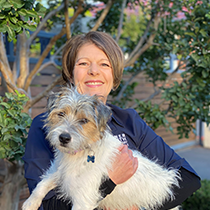
I’ve been working in veterinary behaviour for 10 years and have been interested in it for even longer. I own a behaviour-only practice and have been running it for about four years. I’ve been president of the SIG for four years and on the committee for eight.
Why should someone join?
If you want to make a difference and advocate for your profession, you need to get involved. It’s a voluntary role, but it’s the only way to drive change. I’m passionate about improving the emotional welfare of animals and raising awareness of how important this field is. To do that, you have to be part of the conversation, educating and inspiring others.
Being part of community is really important, and this is a growing field. So get involved and join, listen and learn. Being part of the SIG connects you to a network of like-minded professionals and opens up mentoring and support opportunities.