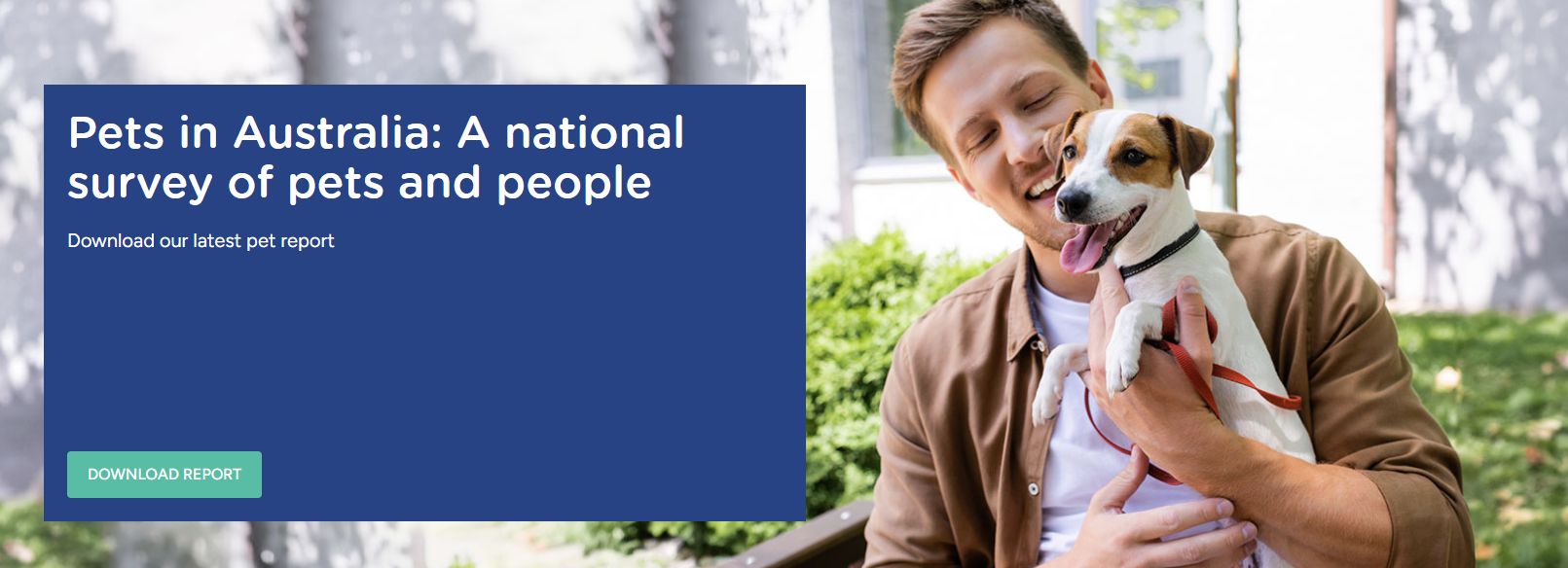
Animal Medicines Australia’s (AMA) Pets in Australia 2025 report, launched last week in Sydney, confirms our nation’s bond with animals is stronger than ever. Seventy-three percent of households – 7.7 million homes – now include a pet, up from 69% in 2022 and 61% before the pandemic. With 31.6 million pets nationwide, there are more companion animals than people in Australia.
Speaking at the launch, AVA Vice President Dr Diana Barker congratulated AMA on the report and warned that these trends underline the critical need for increased support for our veterinary workforce to ensure sustainable pet ownership and robust animal welfare outcomes.
The survey shows pets remain a powerful source of happiness and wellbeing, with 86% of owners saying their animals have positively impacted their lives. However, rising living costs are creating tough choices.
Twelve percent of pet owners needed financial help for veterinary care in the past year, and others delayed check-ups or vaccinations to save money. Further, 30% of dog owners and 22% of cat owners who reduced vet visits cited affordability issues, especially renters and financially vulnerable groups.
Despite this, veterinary services account for less than 10% of total pet spending and overall vet visitation rates have improved since 2022. Over the past year 89% of dogs and 75% of cats saw a vet. Check-ups (53% dogs, 54% cats) and vaccinations (52% dogs, 49% cats) were the most common reasons.
Vet attendance was also high among other types of pets, with 88% of reptiles and 87% of small mammals having visited a vet in the past two years. Vet visits by fish and birds were slightly less frequent at 75% and 68% respectively.
The average household spend on veterinary services varied based on the type of pet. Dog and cat owners spent on average about $150-$160 per year. Small mammal owners were higher at $240, while fish and bird owners were lower with an average between $82-$92. The highest average annual veterinary service costs were made by owners of reptiles at $692 per year.
Looking at those vet visits that do happen, satisfaction among pet owners was also high, with 87% rating their last vet visit at 7/10 or higher. Thirty-five percent rated the visit at 10/10.
Vets remain the top information source (52%). This is even higher (62%) among more experienced pet owners – suggesting that trust in the veterinary profession increases with exposure to it.
However less experienced owners are more likely to look to other sources, including friends and family, YouTube, social media, and, increasingly, generative AI like ChatGPT. These sources are also more frequently used by pet owners who take out financial assistance to cover their veterinary care.
Veterinarians play an important and well-recognised role in the health of pets. People value their pets and they trust their vets.
The AVA partnered with AMA on the development of the report, which can be found online here.