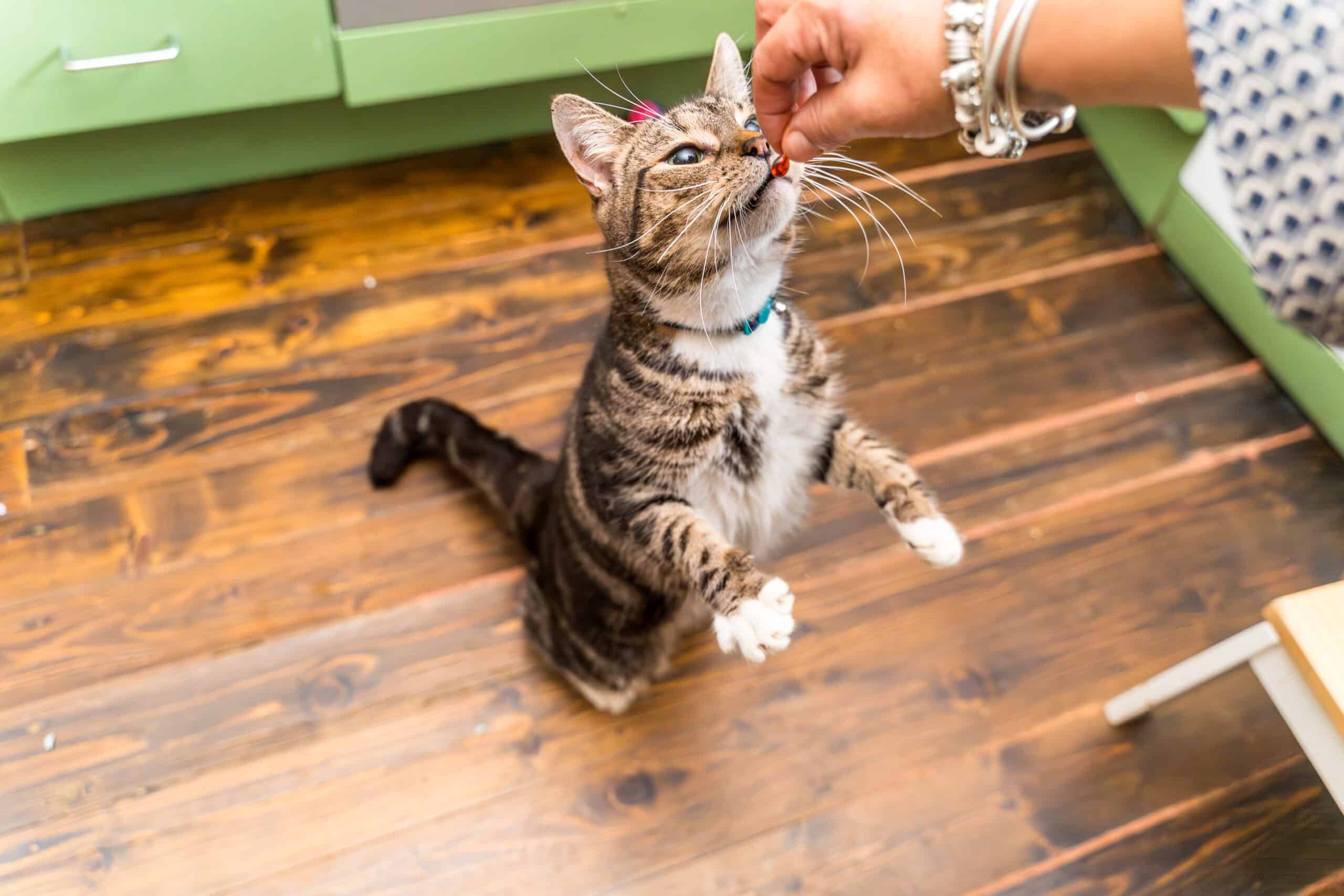
Osteoarthritis (OA) is increasingly recognised as a significant cause of chronic pain in cats, yet it remains widely underdiagnosed in clinical practice.
Radiographic studies have demonstrated that degenerative joint disease is extremely common in ageing cats, with one landmark study identifying radiographic evidence of osteoarthritis in over 90% of cats older than 12 years (Hardie et al., 2002). Despite this high prevalence, clinical recognition often lags behind the disease burden.
Unlike dogs, cats rarely exhibit overt lameness. Instead, pain associated with osteoarthritis often presents as subtle behavioural changes that may be overlooked by owners or attributed to normal ageing. Reduced jumping, reluctance to use stairs, decreased grooming, altered sleeping patterns, and reduced interaction with owners are commonly reported indicators of chronic joint discomfort.
This discrepancy between prevalence and diagnosis highlights an important opportunity for veterinary teams to improve identification and early management of feline OA.
Recognising Osteoarthritis Earlier
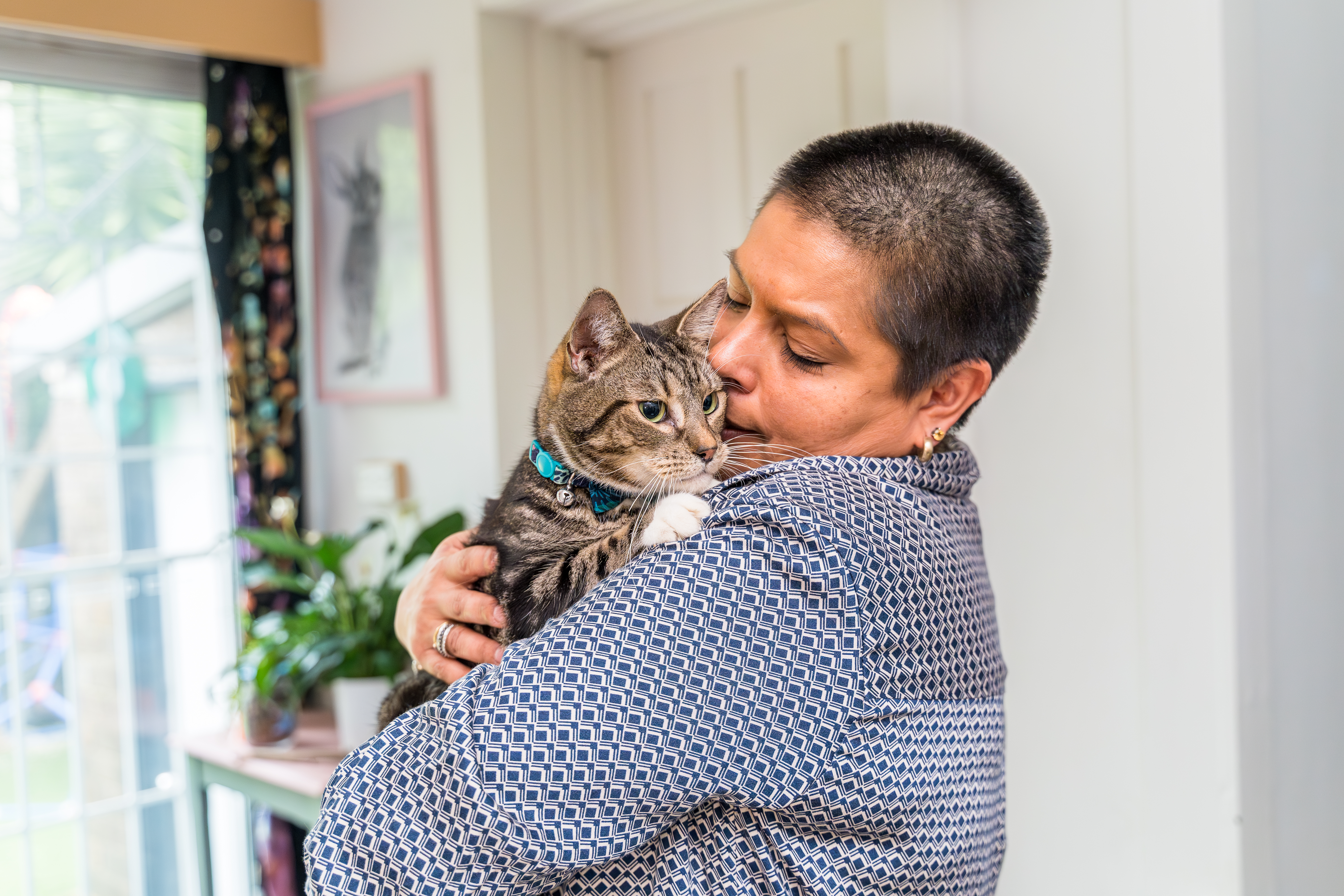
Evidence suggests that many cats with radiographic OA demonstrate minimal overt clinical signs, which contributes to under-recognition of the condition (Lascelles et al., 2010). Incorporating targeted mobility questions into routine consultations, particularly for cats older than seven years, can help identify subtle changes in behaviour that may indicate chronic pain.
Routine screening discussions with owners—focusing on activity levels, jumping behaviour, grooming habits, and interaction with the household—can significantly improve detection rates and facilitate earlier intervention.
The Importance of Early Intervention
Osteoarthritis is a progressive disease that benefits most from early management strategies aimed at preserving mobility and quality of life. Current best practice emphasises a multimodal approach, incorporating weight management, environmental modification, physiotherapy where appropriate, and pharmacological or nutritional support.
While non-steroidal anti-inflammatory drugs (NSAIDs) remain an important therapeutic option for managing feline osteoarthritis, their use may require careful consideration in cats with concurrent conditions such as chronic kidney disease or gastrointestinal sensitivity.
For this reason, nutritional supplementation is increasingly incorporated into early management strategies, helping support joint health alongside other therapeutic interventions.
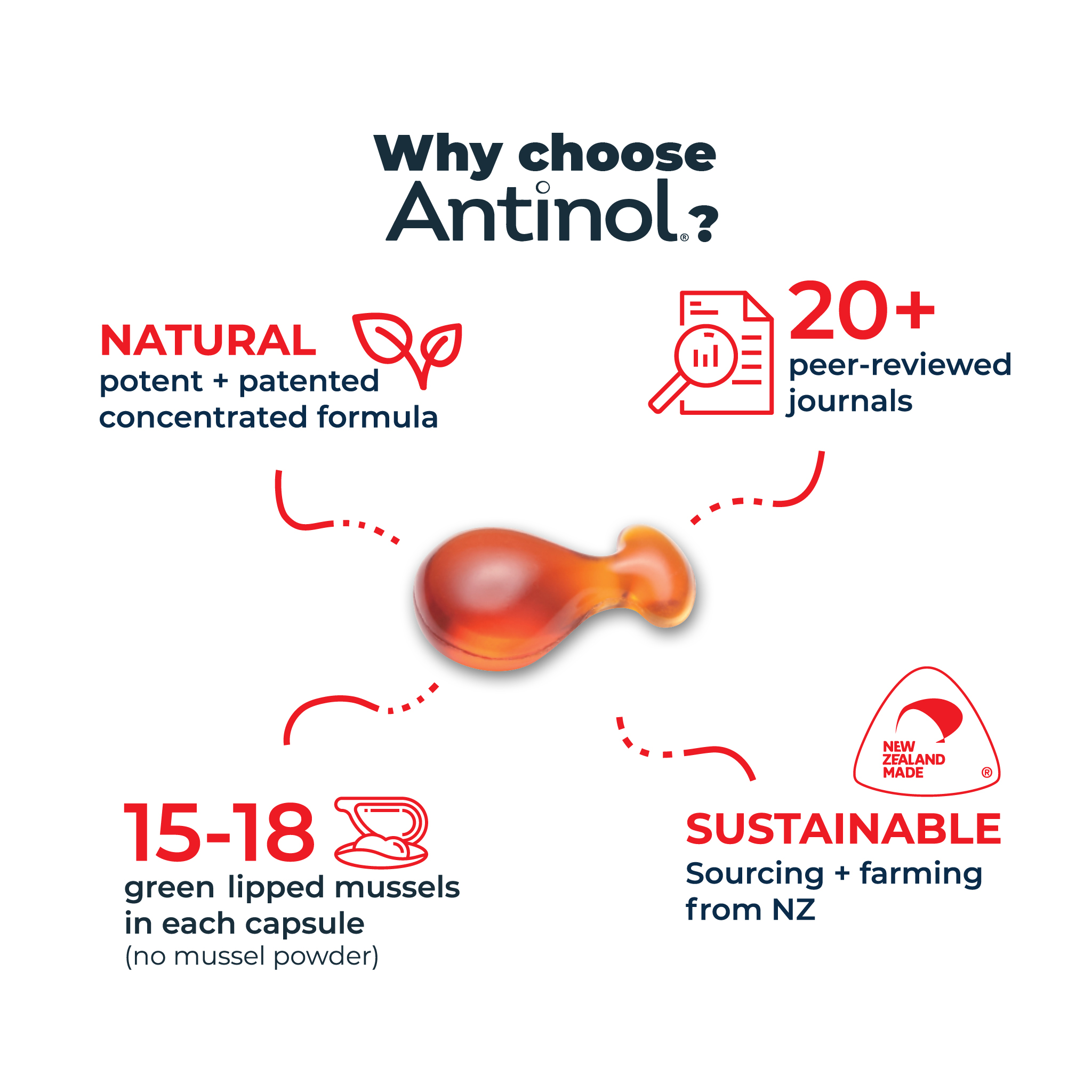
So, Why Antinol®?
Antinol® for Cats contains PCSO-524®, a patented marine lipid extract derived from New Zealand green-lipped mussel (Perna canaliculus).
This lipid complex provides a diverse profile of bioactive fatty acids, including omega-3 fatty acids, which have been investigated for their role in supporting inflammatory pathways and joint function.
Antinol® Plus represents a proactive approach to joint health. The formulation has been evaluated in multiple veterinary studies examining its effects on inflammation, mobility and overall wellbeing. Clinical trials in dogs with osteoarthritis have demonstrated improvements in weight-bearing and mobility, alongside reductions in inflammatory mediators following supplementation (Kampa et al., 2023; Vijarnsorn et al., 2019; Soontornvipart et al., 2015).
Importantly, marine lipid extracts derived from Perna canaliculus have demonstrated a favourable safety profile in controlled studies evaluating hematology and serum biochemistry parameters in both dogs and cats. In these studies, values remained within normal reference ranges across multiple dosing levels, with no clinically significant adverse effects observed during supplementation (Jamikorn & Kongpanna, 2025).
With growing recognition of feline osteoarthritis and the benefits of early intervention, nutritional strategies such as Antinol® may play a valuable role in supporting joint health and mobility in ageing cats.
Improving awareness of OA in cats—combined with earlier identification and proactive management—offers an important opportunity to significantly enhance comfort and quality of life for feline patients.

References
Hardie, E.M., Roe, S.C. and Martin, F.R., 2002. Radiographic evidence of degenerative joint disease in geriatric cats. Journal of the American Veterinary Medical Association, 220(5), pp.628–632.
Lascelles, B.D.X., Henry, J.B., Brown, J., Robertson, I., Sumrell, A.T., Simpson, W., Wheeler, S. and Zamprogno, H., 2010. Cross-sectional study of the prevalence of radiographic degenerative joint disease in domesticated cats. Veterinary Surgery, 39(5), pp.535–544.
Vijarnsorn, M., Buranakarl, C., Chomdej, S., et al., 2019. Effects of a marine-based fatty acid compound (PCSO-524®) on clinical signs, weight-bearing distribution, and inflammatory markers in dogs with osteoarthritis. BMC Veterinary Research, 15, 336. Available at: https://link.springer.com/article/10.1186/s12917-019-2110-7
Kampa, N., et al., 2023. Evaluation of a marine lipid extract (PCSO-524®) on mobility and weight-bearing in dogs with osteoarthritis: a randomised, double-blinded, placebo-controlled trial. Frontiers in Veterinary Science. Available at: https://www.frontiersin.org/articles/10.3389/fvets.2023.1033188
Soontornvipart, K., et al., 2015. Clinical evaluation of a marine lipid extract (PCSO-524®) in dogs with osteoarthritis. Thai Journal of Veterinary Medicine, 45(3). Available at: https://digital.car.chula.ac.th/tjvm/vol42/iss3/9/
Jamikorn, U. and Kongpanna, P., 2025. Safety evaluation of a marine lipid extract (EAB-277®) in dogs and cats: effects on hematology, blood chemistry and clinical parameters. Available at: https://antinolstudies.com/wp-content/uploads/2025/06/Final_article-Publish.pdf