This year’s theme for International Women’s Day “give to gain’ reminds us that equality grows when we share our own unique lived experiences for the benefit of others. In 2026, we are invited to consider the transformative impact of this knowledge sharing across the veterinary profession and are reminded that one of the most powerful ways we can give to our peers is through mentoring.
Mentoring relationships embody this spirit of generosity and have positively influenced the career paths of many of our peers, especially those vet students who are busily honing their skills or who are new to the veterinary workforce.
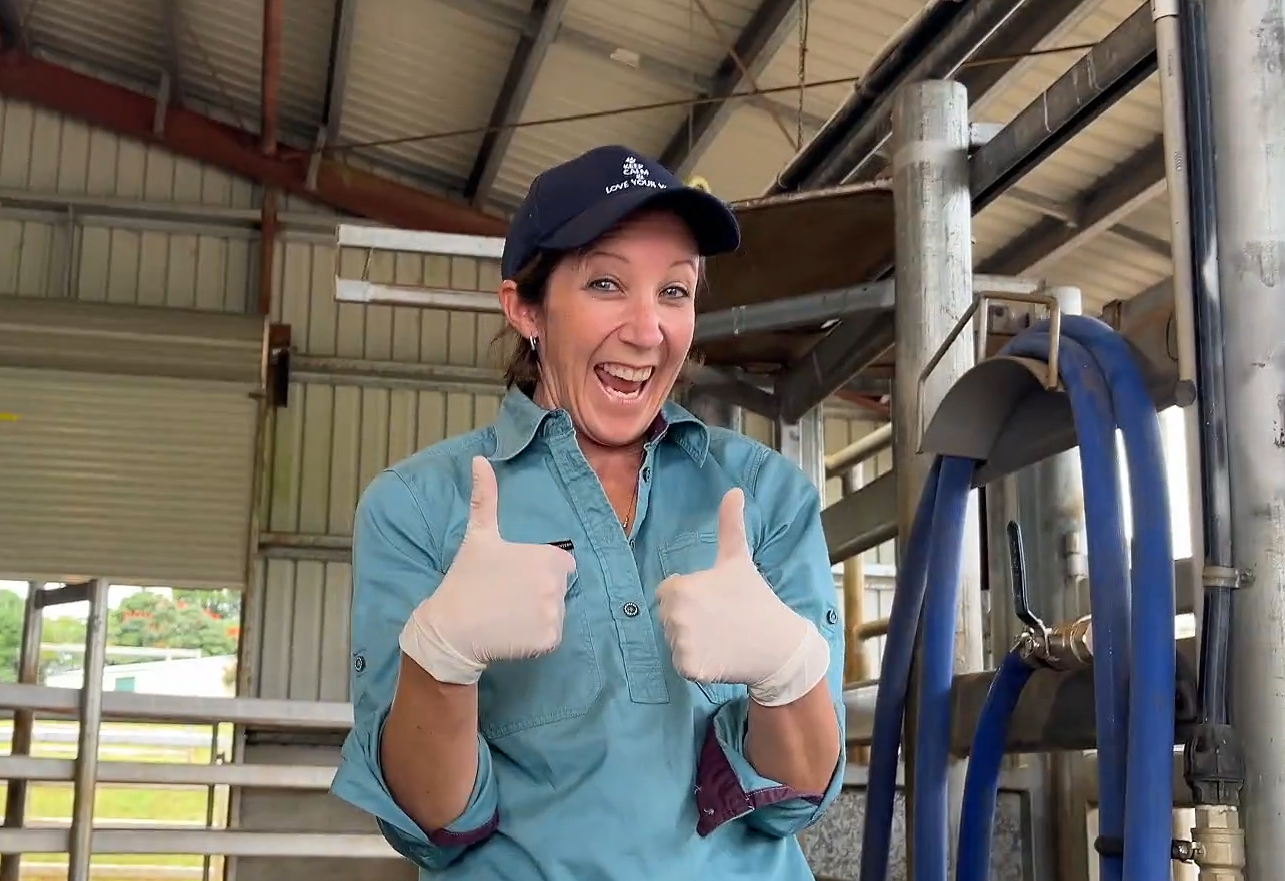
As AVA President Dr Gemma Chuck reflects, “in any profession, your first job can make or break you… the transition from veterinary student to qualified vet can be turbulent and can set the course of your career.” When that transition is unsupported, she says, “this experience can have lasting effects on your confidence, work ethic, ability to adapt and ultimately, your career longevity,” especially for newly qualified vets starting in clinical practice.
What a mentor can be
Gemma believes it isn’t just about clinical advice. “It’s about listening, acknowledging feelings and emotions and if asked, providing some support to help the mentee reach the decision about a situation themselves.”
Gemma sees mentors as people who “provide you with the signposts and tools to allow you to problem solve yourself,” who act as “a confidential, non-judgemental sounding board… not just for clinical advice, but for professional (and sometimes personal) interactions.” They are trusted confidants who “behave transparently” and can be “respectful and honest with their feedback. Even when it’s not always what you want to hear.”
You can read Gemma’s full article, here.
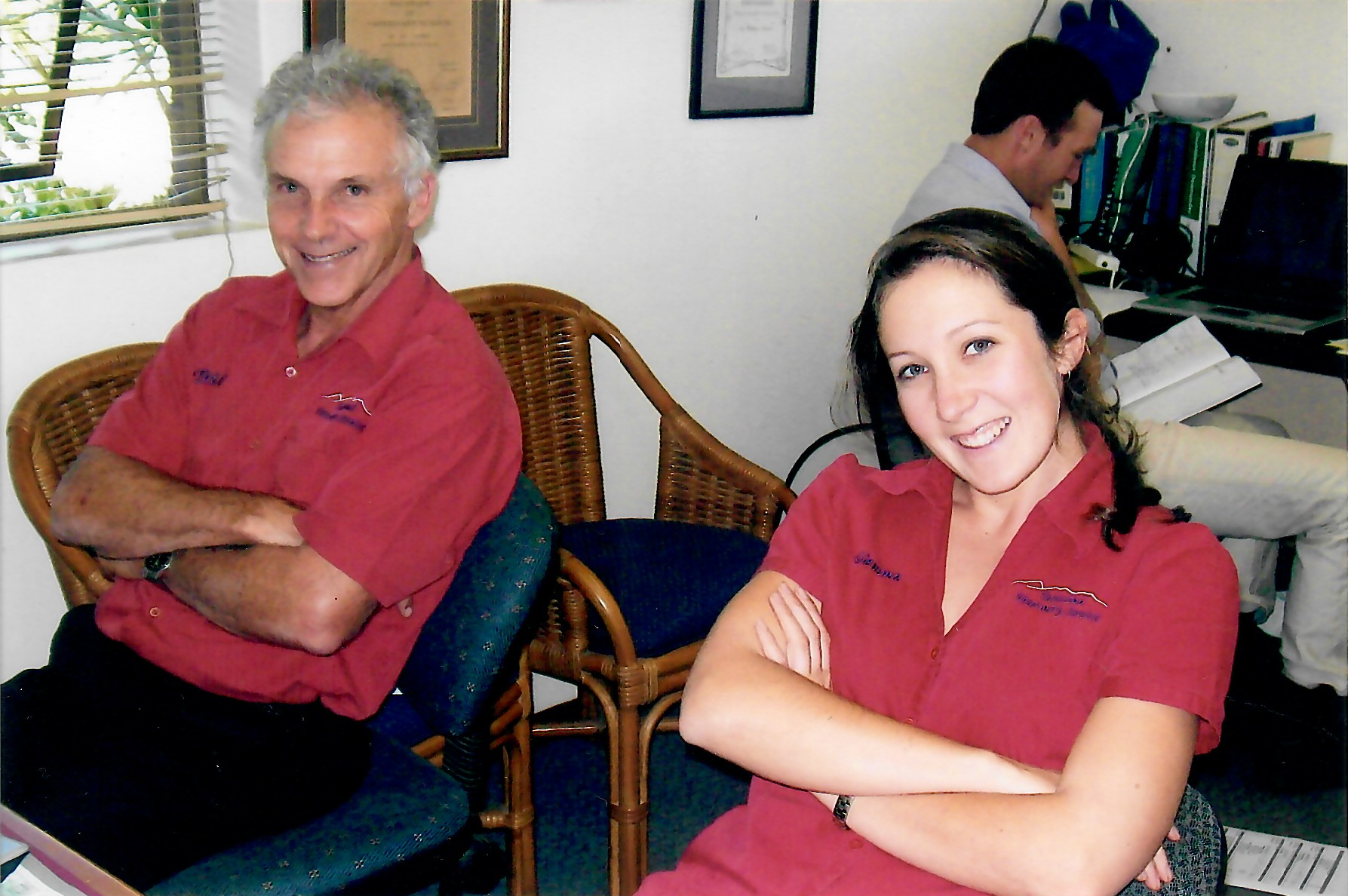
Dr Gemma Chuck wtith mentor Dr Bill Trante
Voices of Leaders
For veterinarian and longtime mentor Dr Pip Molnar, the love of mentoring grew from “an underlying wish to give other veterinarians support and to create a community that shared the ups and downs of veterinary practice.” In the early days it was about helping younger vets avoid the mistakes she had made, but as she gained experience, she felt she “could give some constructive help to the veterinary profession.”
In 2001, as Practitioner in Residence at Melbourne University, Pip spent a semester “following the final year students around, supporting them, talking about the real world and helping them with their first job applications,” an experience she “absolutely treasured.” Later, after buying her own practice, she regularly hosted final year students on placement. Apart from teaching them practical skills, she would talk about “career pathways, interpersonal skills with clients and team members, as well as the importance of a healthy work life balance”.
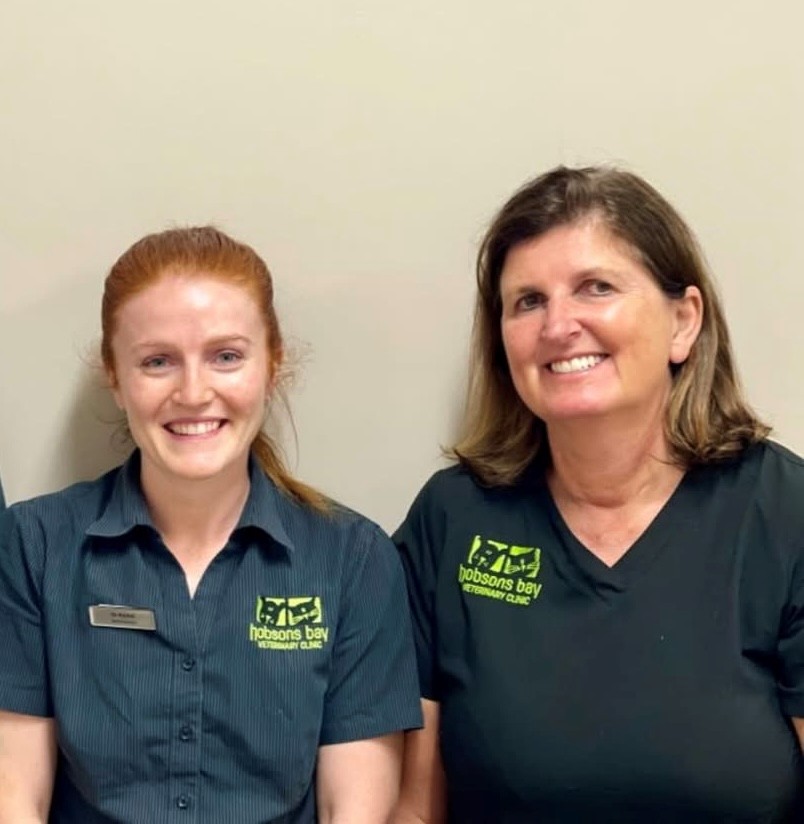
Mentee Rachel with mentoe Dr Pip Molnar
Pip remembers meeting one of her most memorable mentees. Rachel was a recent young graduate, and Pip recognised her potential and convinced her to come and work with alongside her. “Rachel was an extremely diligent mentee… I am very proud to have contributed to her strength in what I call the ‘art of veterinary practice’.When my practice was sold, an opportunity arose for Rachel to apply for the role of Director.
“She was hesitant at first,” Pip recalls, “but we spoke about all the positives the role would bring, and I was so very proud of her when she was successful in her application.”
Pip is passionate about the need to “to dissect many of the firmly guarded traditional beliefs on how a vet practice needs to be run and how a veterinarian needs to work.” For her, “the most meaningful support is provided by creating flexible rosters for women to allow them to have balance in their life.”
She firmly believes that by disrupting traditional expectations and creating workplaces with good culture, positivity and longevity, “veterinary practices can still be profitable” while also being sustainable and equitable. “This needs to be our legacy.”
AVA Board Director, Professor James Gilkerson’s experience highlights another side of mentoring: the quiet, steady presence that helps people find their feet. “I have mentored 7 vets, all of them women,” he reflects. “It has been a wonderful opportunity to meet recent graduate vets from across the country and to help them find their feet in their first year after graduation.”
He describes serving as “a sounding board, a voice of reason and a gateway to a wider professional network,” and notes that while his mentees were very different in personality, goals and ambitions, “at some stage during the mentoring period all of them needed someone to talk to about a problem.” He feels proud of their achievements and confident that the profession has “a bright future ahead of it if we can continue to support these brilliant, highly capable professional women as they transition from university.”
The mentee perspective
Veterinarian Dr Kristy Goh went into her early career fully aware that it would not be smooth sailing. “I understood that the transition from a veterinary student to a new graduate veterinarian was not going to be without its struggles and challenges,” she recalls. Kristy believed that finding a mentor “who had personal experience being a new graduate vet (just like me!) would become a strong pillar of support during this time.”
For her, mentoring has not been about a single standout moment but about consistent care and belief: “throughout the years, my mentors truly cared about me and my aspirations and have had unwavering trust in me and my abilities.” That trust “gave me a boost of confidence and reassurance in times where I felt that my self-confidence wavered.” One mentor reframed fear in a way that stayed with her: “There is nothing in this world to be fearful of- if it is something that we can prepare for and we’ve already prepared our best for it, then we have done all we could. If it is something with an outcome that we have no control over, then there is no use feeling fearful either.”
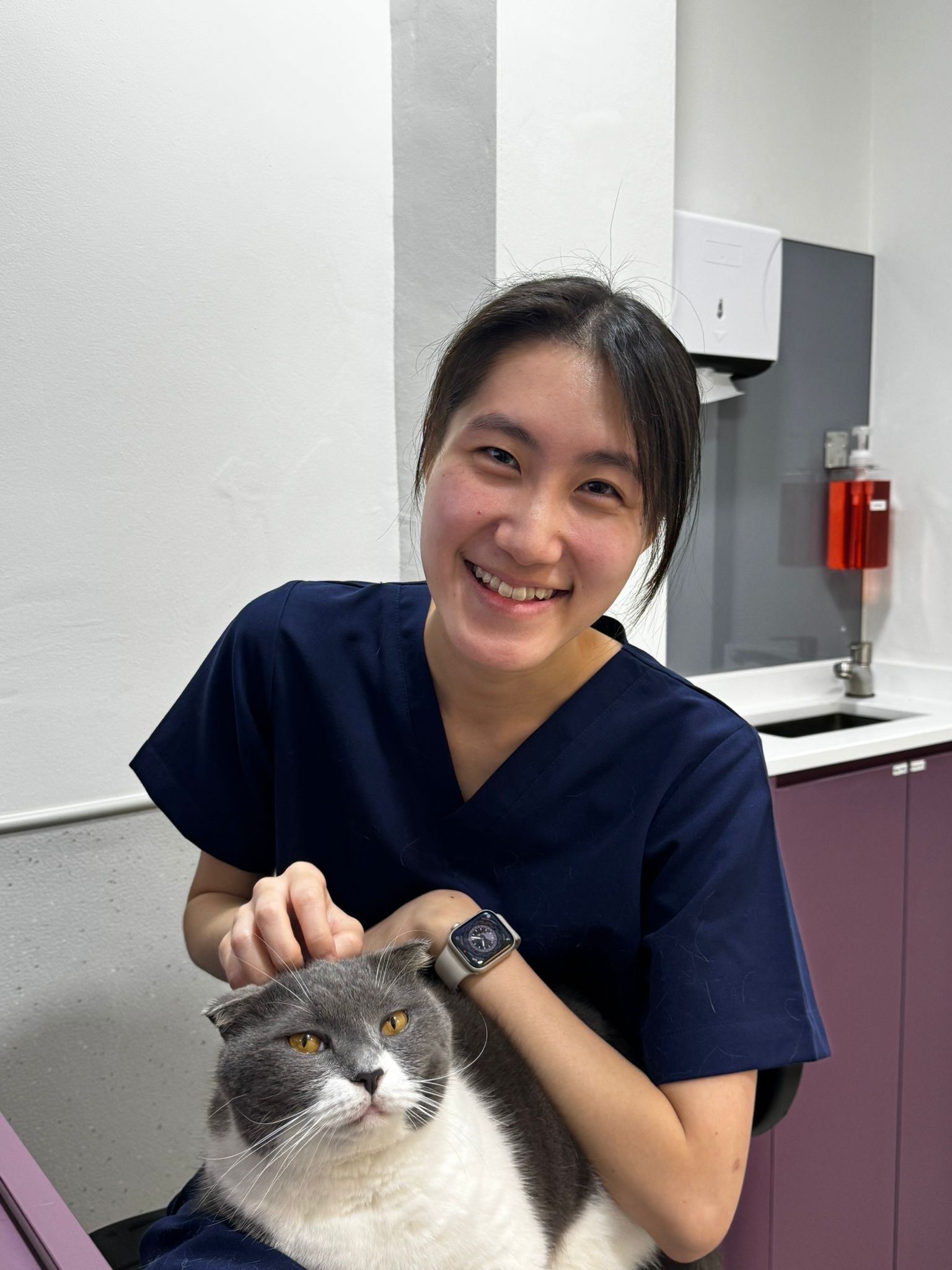
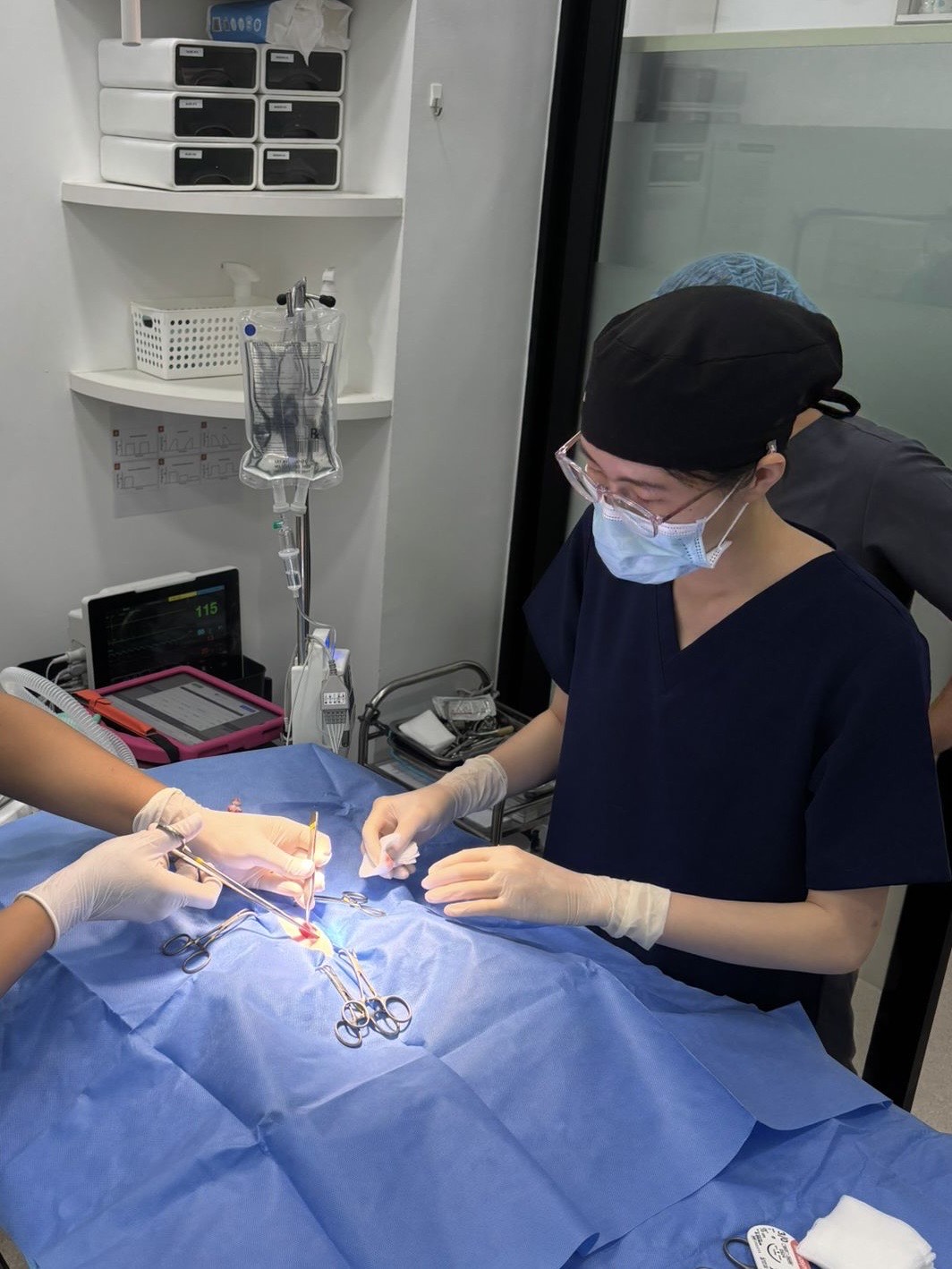
“This has greatly helped me channel my fear into actionable steps to prepare for anticipated situations, trust my own preparation and my ability to manage and learn from the outcome. I have my incredible network of mentors to thank for this mentality and self-belief”.
Giving to Gain
As we celebrate International Women’s Day, AVA Executive Officer for Wellbeing, Dr Rebecca Faris reminds us that creating equality in veterinary workplaces requires deliberate, sustained action.
“Leaders in organisations, big and small, must recognise the need to solve the problem of gender inequality and commit to taking intentional steps to address it,” she says.
This begins with understanding who is being promoted, who isn’t, and whether women are represented and visible in senior roles. Rebecca also encourages leaders to “actively sponsor diverse talent by advocating for them in settings where their voices might not be heard.”
Rebecca invites any veterinary professionals considering mentoring to ‘take a moment to reflect on your mentoring activities, formal or informal. Do you sponsor or mentor people who look like you and/or have the same background or world view, or are they diverse?’ By sharing knowledge and lived experience, mentoring relationships can unveil whole new worlds to both the mentor and mentee that expand their horizon beyond what they thought possible. If you haven’t already, please sign up to the AVA’s mentoring program. https://www.ava.com.au/about-us/programs-awards/graduate-mentoring-program/