Integrative Veterinarians Australia (IVA) is a nationwide special interest group (SIG) bringing together veterinarians who practice, or are curious about, the use of integrative therapies alongside conventional veterinary medicine. The group’s focus is on fostering safe, professional and evidence-informed use of complementary approaches, such as acupuncture and nutritional medicine to enhance animal health and wellbeing.
Leading the group is President Dr Kathryn Cornack, who has been a member of the SIG since its formation nearly 30 years ago. With her longstanding commitment to integrative veterinary medicine, Dr Cornack has seen the field grow in both the profession and in pet-owning households.
What are some of the key benefits for veterinarians who join the IVA?
The main one is how you can learn more about this fascinating and growing field. We are a SIG of approximately 50 members, so it is very small, friendly and supportive group, and it’s easy to make connections with generally like-minded, open-minded vets.
What trends have you noticed in the uptake or interest in integrative medicine among Australian veterinarians and animal owners?
We are seeing that younger vets in particular have a lot of interest in this area, which is great to see.
There are definitely more and more animal owners looking for these kinds of therapies for their animals. Most people use an allied health practitioner as part of health care for their human family, so it is natural they look for the same for their animal family. There is significantly more interest and awareness around alternatives to processed foods such as feeding natural diets, and how to reduce the use of antibiotics or immunosuppressive medications or chemical treatments.
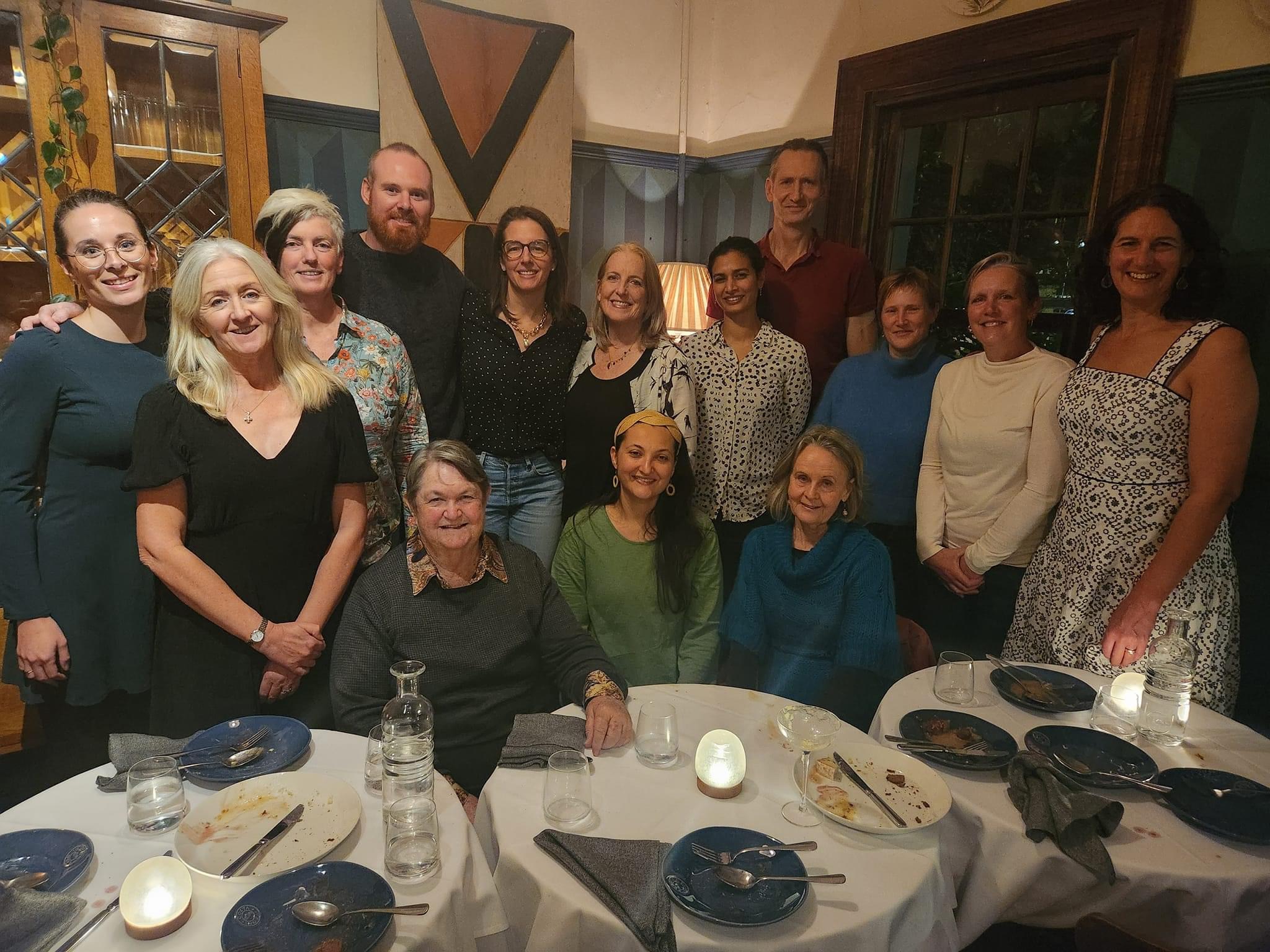
IVA Social Dinner 2024
How does the IVA collaborate with other AVA special interest groups?
We like to take every opportunity to work with the broader AVA community. We had a webinar earlier this month about small ruminants, so that was a joint webinar between IVA and the Sheep, Camelids and Goat Veterinarian (SCGV) group.
We were also involved in a WA Branch meeting, where one of our local members spoke about her area of expertise.
We are part of the conference planning committee for AVA Conference and work together with the other groups on topics and speakers of broad interest. We actively encourage collaboration and encourage other groups to collaborate with us.
What are the most common animal diseases or conditions treated using integrative approaches?
A complete answer would require several pages of explanation or perhaps even a complete textbook! A synopsis would be to say that Integrative Practitioners are typically presented with a lot of chronic conditions: things like cancer, auto immune, gut and skin issues. Things that are hard to fix and/or carry a guarded or poor prognosis. Other common things would be structural issues (acute and chronic), kidney and thyroid conditions, anxiety and anything causing pain. Often, it’s the more complex health conditions that we are presented with. The good thing about that is we have many more tools in our toolbox because of all the other medical systems and approaches we know about.
Our job is to communicate with the client about setting realistic expectations, often dispelling internet myths and coming to an understanding of what would be some appropriate approaches and to put this all together. This varies on a case-by-case basis.
There are many therapies or treatment systems that our members may have knowledge of. What is most effective depends on exactly the same factors as in conventional medicine, that being: the nature of the condition being treated, the particulars of that patient and other health and age factors, the family’s capacity including time and finance, the practitioner’s skill and experience in a particular area, and what is available geographically in terms of referral services, frequency of visits, etc.
How does the group support the education of veterinary students?
We welcome and encourage students to attend our conferences and events. In the past we have had members give lunchtime lectures to interested students at the various universities, but not all universities are open to this on an ongoing basis. We welcome ideas on how we can better support students as they are the future. We do also have our annual research bursary worth $1,000 that students can apply for to research a topic of interest in the field. Applications are open now and close end of October.
What advice do you have for veterinarians or students who are interested in pursuing a career in integrative veterinary medicine?
If it is of interest, it will add so much more value, reward and challenge to your professional life. It’s so interesting and a growing field of relevance, and there are so many areas to know about I guarantee you’ll never be bored for a moment. It is an area important to a better future as we strive to reduce our impact on the world and live more safely and harmoniously. As you will see a lot of chronic cases, it really builds a fantastic long-term bond with your clients which gives a more rewarding and deeper experience. I love that the most I think, that I know each of my families and you are a true and trusted partner in their lives. Chronic illnesses and the level of communication required means longer consults so a deeper relationship as a result.
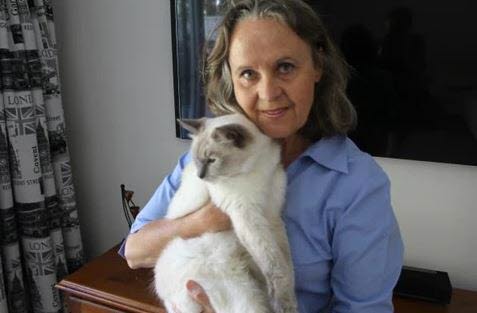
Dr Kathryn Cornack
When and why did you join the IVA?
I’ve been an IVA member since the start, back in 1996 (I think) when they formed as Holistic Vets so I’ve been with the group almost 30 years now. I’d been graduated about 10 years and I had enough clinical experience to know that there was lot of stuff I didn’t yet know. I could see patterns in the cases that I couldn’t explain, and I knew intuitively that there had to be more to it. My first exposure to anything “alternative” professionally was acupuncture lectures at an AVA conference. I found that interesting, so I enrolled in an acupuncture training. That was the door in my mind that opened to make me see that there are many ways to review health and illness and that made me interested in more and more approaches that I can incorporate in my practice to help animals and their families. I use a lot of allied/naturopathic medicine for myself, my family and my life, so it made sense to apply these same principles. In addition to the learning and the wider toolbox and increased job satisfaction, I have met the most wonderful group of open minded, interesting, beautiful humans (my IVA colleagues) who I feel safe and accepted around. It’s been a beautiful ride with this group.