The Return to Work program is AVA's online self-paced learning program and this program consists of the 5 clinical courses and practical skills guide. If you would also like to […]
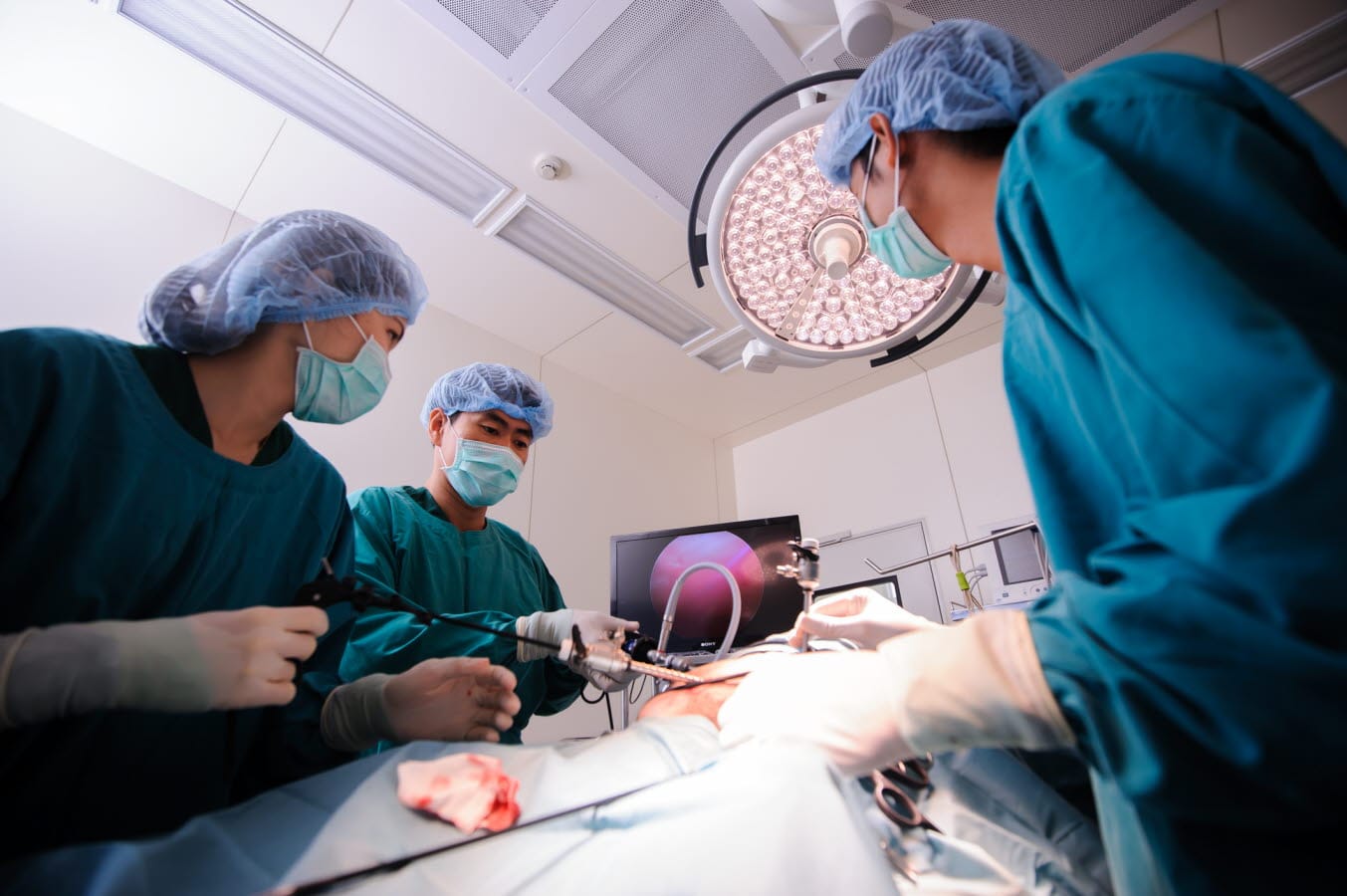
This lecture provides a practical approach to abdominal exploration in dogs and cats, with emphasis on presurgical work-up, surgical planning, and achieving adequate exposure for a thorough exploratory procedure. A […]
The veterinarian should display a good understanding of the effects of anaesthesia on physiology, stages of anaesthesia and recovery, use of common anaesthetic agents and pain control in animals.
The veterinarian should display a good understanding of various surgical techniques including common daily “routine” surgeries and soft tissue procedures.
The veterinarian should display a good understanding of general diagnostic principles, consultation procedures including vaccinations, and therapy for most diseases diagnosed.
The veterinarian should display a good understanding of techniques required for in house pathology testing, sample collection for external testing and interpretation of test results.